Key Takeaways
- For bruises, start with deep center tones and work outward to fresher healing colors.
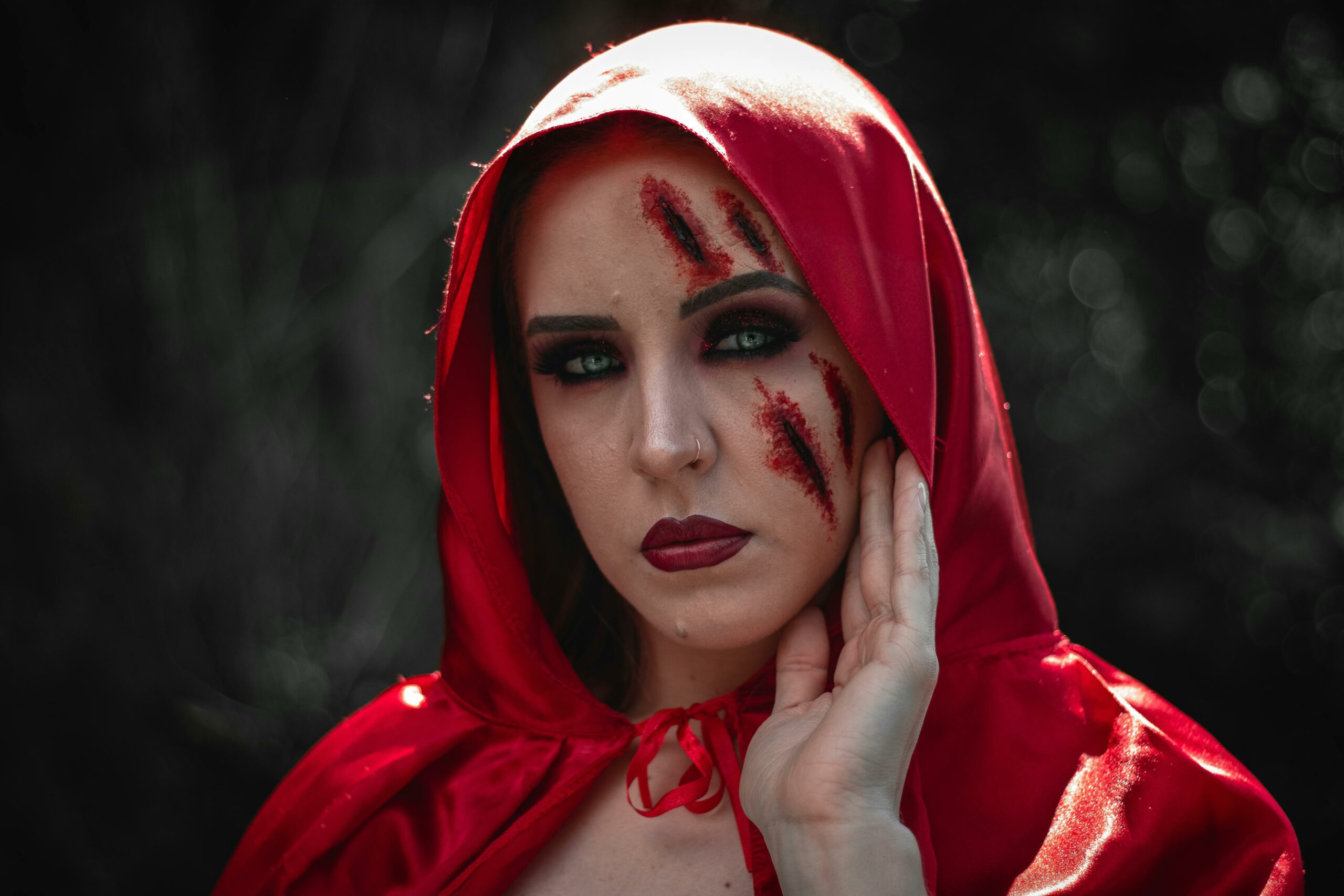
- For realistic and dimensional cuts, shape depth carefully, soften the edges, and layer the colors.
How to Apply Fake Bruise Makeup

A layered application is vital to make bruise makeup reflect how trauma progresses beneath the skin. Start by prepping the skin with a light moisturizer. Transfer small amounts of color from the Bruise Wheel onto a palette.
Then, follow these steps:
- Stage 1 (Fresh Impact) – Apply deep maroon or purple tones at the center of the bruise using a stipple sponge. Keep layers thin so the skin remains visible.
- Stage 2 (Active Bruising) – Build outward with blue-violet tones to suggest recent trauma and swelling.
- Stage 3 (Healing) – Introduce yellow or green sparingly at the edges to indicate color breakdown and recovery. Lightly set with Neutral Set Powder.
Pro Tip: A key step in how to make a fake bruise makeup effect believable is avoiding symmetrical shapes and hard lines, since real bruising is always irregular.
How to Make Fake Cuts With Makeup
Realistic cuts vary in depth, shape, and severity depending on the type of injury being portrayed.
Here’s how Frends Beauty’s pro clients do it:
- Apply Spirit Gum and allow it to become tacky before pressing a small amount of Scar Wax into place.
- Smooth and feather the edges into the skin using a palette knife or moisturized fingers.
- Gently carve depth, then layer red under edges, followed by maroon, just how it’s done to make a bruise makeup true-to-life. Dab violet inside recesses for dimension.
- Fill with Fresh Scab for raised areas and finish with Thick Blood for controlled drips or pooling.
- Lightly dust Neutral Set between the layers to prevent unwanted shine before applying Final Seal.
Tips for Professional Results
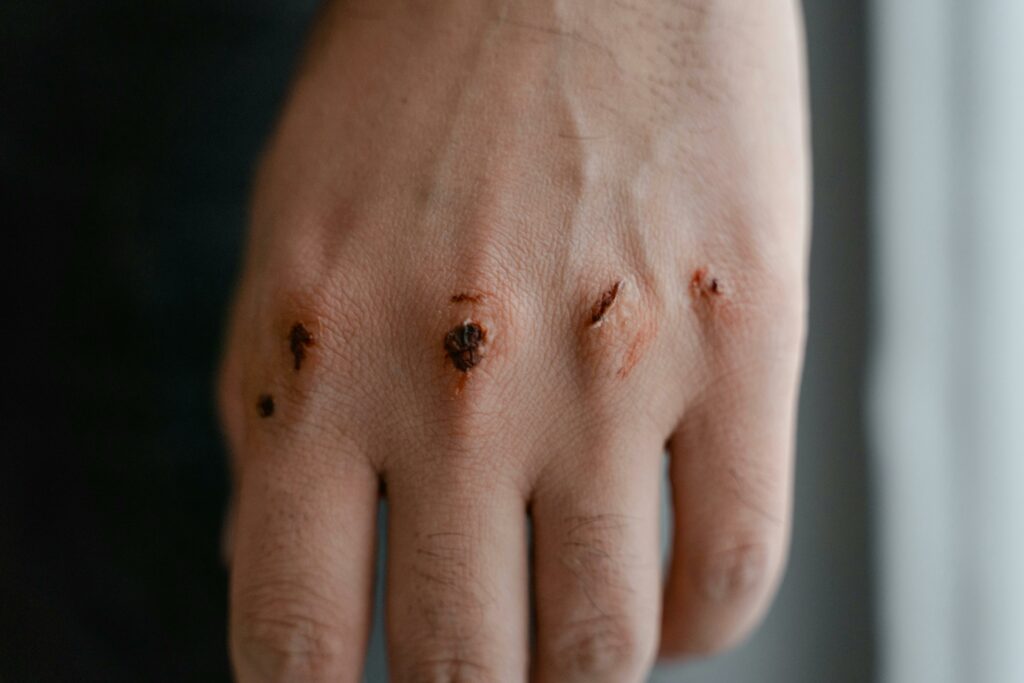
Small finishing choices can mean the difference between believable fake bruise makeup and an effect that lacks depth or realism. Consider anatomy and gravity when placing injuries, test your work under intended lighting, and seal selectively to preserve texture.